

National Connectivity
Each NREN manages the national infrastructure that links universities, research centers, and educational organizations. It provides these institutions with dedicated connections designed to handle the heavy data demands of academic and research activities. These networks are optimized for secure data transfer, high-bandwidth research applications, and remote collaboration.
Regional and Global Interconnection
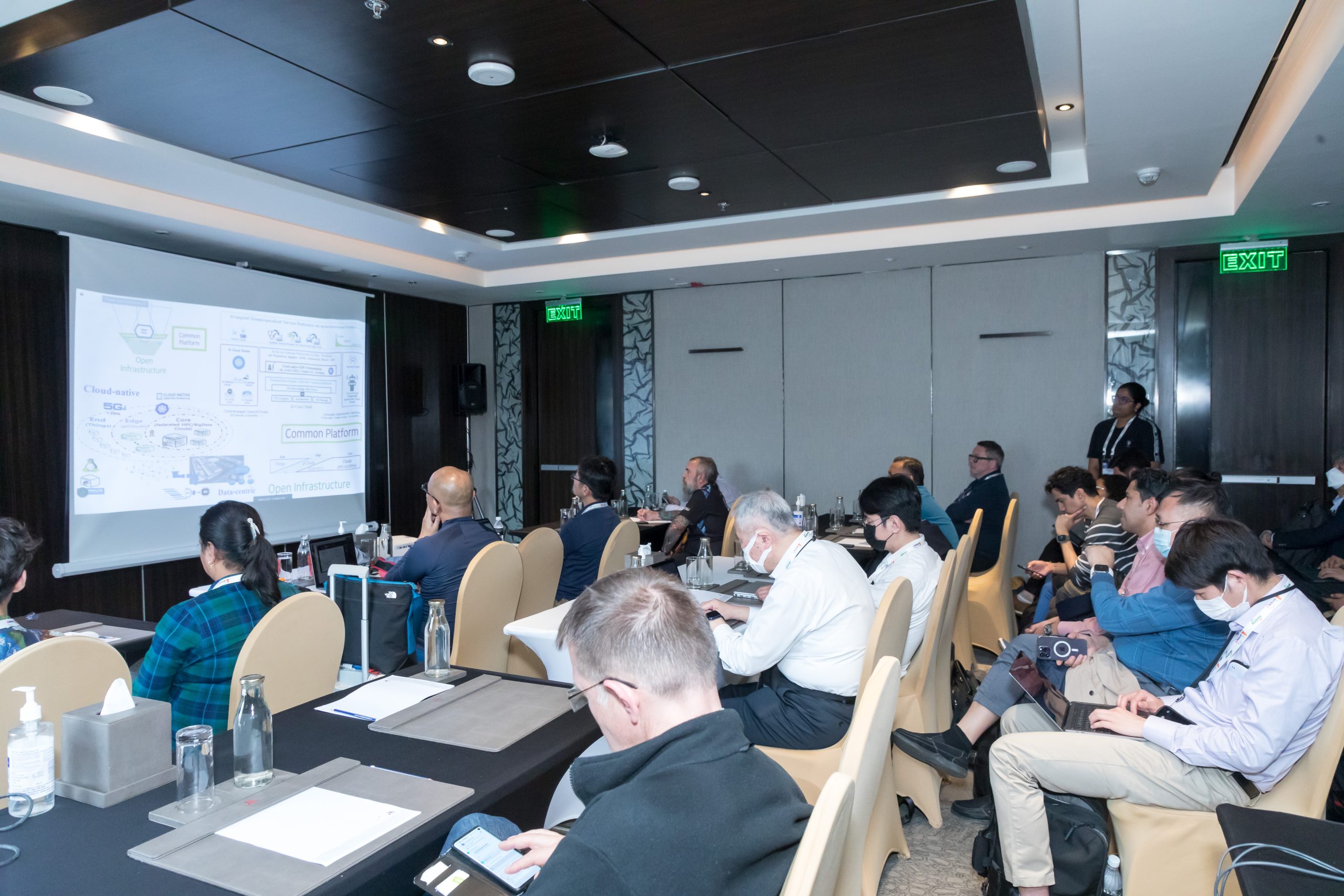
NRENs are connected to one another through regional networks, such as GÉANT in Europe, Internet2 in the United States, and APAN (Asia-Pacific Advanced Network). These regional networks create a broader infrastructure that allows NRENs in different countries to exchange data and collaborate on international projects. This interconnection is typically achieved through high-capacity fiber optic links, satellite connections, and other advanced technologies that ensure fast and secure data transfer across borders.

Global Network and Collaboration
The interconnected regional networks form a global research and education ecosystem that supports a wide range of academic and research activities. This global network enables the sharing of resources such as supercomputing power, cloud-based tools, and large-scale data repositories. By connecting institutions across the globe, the Global REN supports real-time collaboration, allowing researchers from different countries to work on shared projects without geographical or technological limitations.
Supporting Global Challenges
The ultimate objective of the global R&E network is to empower academic and research communities to address the world’s most pressing challenges. Through the interconnectedness of NRENs and regional networks, institutions can tackle global issues such as climate change, pandemics, sustainability, and technological innovation by collaborating with experts from all over the world. The high-speed infrastructure and secure data exchange offered by R&E networks are essential for large-scale projects that require international coordination.
Global Research and Education Networks are a complex system of interconnected National Research and Education Networks (NRENs) that provide high-performance connectivity, collaboration platforms, and access to resources for academic and research institutions worldwide. By connecting institutions across borders, R&E networks facilitate the exchange of knowledge and data, enabling global collaboration on research and addressing global challenges. Through this infrastructure, R&E networks promote education, innovation, and scientific discovery, helping institutions contribute to pressing global issues such as climate change, health, and technology.
In the case of Nepal, the Nepal Research and Education Network (NREN) plays a crucial role in connecting Nepalese institutions to this broader global ecosystem, ensuring that local researchers and educators can collaborate on international research projects, access global resources, and contribute to the global academic and research community.